Embarking on the journey of Comparing Asphalt vs Metal Roofs for Long-Term Durability, this introduction aims to draw in the readers with a glimpse of what lies ahead.
The subsequent paragraph will delve deeper into the intricacies of the topic, providing valuable insights and comparisons between the two roofing materials.
Benefits of Asphalt Roofs
Asphalt roofs offer a range of benefits that make them a popular choice for homeowners looking for durability and cost-effectiveness.
Durability in Various Weather Conditions
- Asphalt roofs are known for their ability to withstand harsh weather conditions such as heavy rain, snow, wind, and even hail. The flexibility of asphalt shingles allows them to expand and contract with temperature changes without cracking or breaking.
- These roofs are also highly resistant to UV rays, preventing premature deterioration and fading that can occur with other roofing materials.
- Additionally, asphalt roofs have excellent fire resistance, providing an added layer of safety for your home.
Cost-Effectiveness Over the Long Term
- One of the key advantages of asphalt roofs is their cost-effectiveness over the long term. While the initial installation cost may be lower compared to metal or other roofing materials, asphalt roofs require minimal maintenance and repairs, saving you money in the long run.
- Moreover, asphalt shingles are easy to install, reducing labor costs and overall installation time.
- In the event of damage, individual shingles can be replaced without the need to replace the entire roof, further reducing repair costs.
Benefits of Metal Roofs
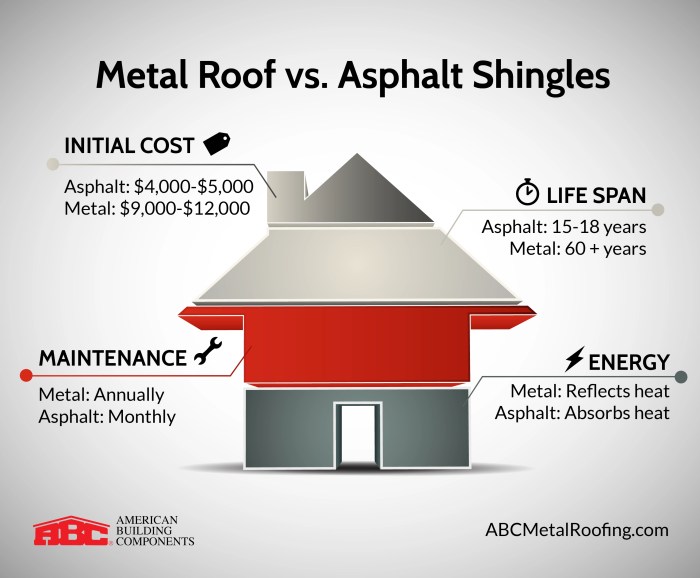
Metal roofs offer several advantages when it comes to long-term durability. One of the key benefits is their exceptional lifespan, which can far exceed that of traditional roofing materials like asphalt. Metal roofs are known for their strength and resistance to various elements, making them a popular choice for homeowners looking for a long-lasting roofing solution.
Specific Advantages of Metal Roofs
- Metal roofs have a longer lifespan compared to other roofing materials, with some lasting up to 50 years or more.
- They are highly durable and can withstand extreme weather conditions such as heavy rain, snow, hail, and high winds.
- Metal roofs are fire-resistant, providing an added layer of protection for your home.
- They require minimal maintenance over the years, saving you time and money in the long run.
Metal Roofs in Extreme Weather Situations
Metal roofs are specifically designed to perform well in extreme weather situations. Their durability and strength make them ideal for areas prone to hurricanes, heavy snowfall, or intense heat
. The metal material is resistant to cracking, warping, and other damage that can occur with traditional roofing materials.
Comparison of Lifespan with Other Roofing Materials
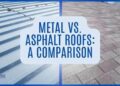
When compared to asphalt roofs, metal roofs have a significantly longer lifespan. While asphalt roofs typically last around 20-30 years, metal roofs can last 50 years or more with proper maintenance. This extended lifespan can result in cost savings over time, as you won't need to replace your roof as frequently.
Durability Factors for Asphalt Roofs
When it comes to the long-term durability of asphalt roofs, several key factors come into play.
Material Composition
- Asphalt shingles are designed to withstand various weather conditions, including heavy rain, snow, and wind, making them highly durable.
- The granules on the surface of asphalt shingles provide UV protection, preventing premature deterioration from sun exposure.
- Fiberglass reinforcement in some asphalt shingles adds strength and resilience, enhancing their durability.
Maintenance Impact
Regular maintenance is crucial in extending the lifespan of an asphalt roof.
- Inspecting the roof for damage, such as missing or lifted shingles, and promptly addressing any issues can prevent further deterioration.
- Cleaning debris and keeping gutters clear can help prevent water damage and prolong the life of the roof.
- Applying protective coatings or sealants can enhance the durability of asphalt roofs and provide an extra layer of protection against the elements.
Environmental Impact
- Asphalt shingles are recyclable, which can reduce the environmental impact of replacing a roof by diverting waste from landfills.
- Some asphalt shingles are manufactured with recycled materials, further reducing their environmental footprint.
- Energy-efficient asphalt shingles are available, which can help reduce heating and cooling costs, making them a more sustainable roofing option.
Durability Factors for Metal Roofs
Metal roofs are known for their exceptional durability, making them a popular choice for homeowners looking for long-lasting roofing solutions. Let's delve into the key factors that contribute to the longevity of metal roofs.
Maintenance Requirements for Metal Roofs
Metal roofs require minimal maintenance compared to other roofing materials such as asphalt. Regular inspections to check for any damage or loose fasteners are recommended to ensure the roof remains in top condition. Additionally, keeping the roof clean from debris and ensuring proper drainage will help prevent issues like rust or corrosion, ultimately extending the lifespan of the metal roof.
Environmental Benefits of Choosing Metal Roofs
One of the significant advantages of metal roofs is their eco-friendliness. Metal roofs are often made from recycled materials and are fully recyclable at the end of their lifespan, reducing the environmental impact of roofing waste. Furthermore, metal roofs are energy-efficient as they reflect solar heat, reducing the need for air conditioning and decreasing energy consumption.
This not only benefits the environment but also helps homeowners save on energy costs in the long run.
Conclusion
Wrapping up our discussion on Comparing Asphalt vs Metal Roofs for Long-Term Durability, this concluding section will offer a concise summary of the key points discussed, leaving readers with a lasting impression.
Quick FAQs
How do asphalt roofs compare to metal roofs in terms of longevity?
Asphalt roofs typically last around 20-30 years, while metal roofs can last 40-70 years, making metal roofs a more durable option in the long run.
Which roofing material is more cost-effective over the long term- asphalt or metal?
While asphalt roofs have a lower initial cost, metal roofs require less maintenance and have a longer lifespan, making them more cost-effective in the long term.
How does maintenance impact the lifespan of an asphalt roof?
Regular maintenance such as cleaning debris and inspecting for damage can extend the lifespan of an asphalt roof by preventing issues that may lead to premature deterioration.
What are the environmental benefits of choosing metal roofs over other materials?
Metal roofs are often made from recycled materials and are recyclable at the end of their lifespan, making them a more sustainable and environmentally friendly choice compared to other roofing materials.