
Embark on a journey to discover the best flooring options for your home remodel, where style meets functionality to create the perfect ambiance. From hardwood to vinyl, explore the pros and cons of each type and find the ideal fit for your living spaces.
Delve into considerations for choosing the right flooring that complements your room's functionality while enhancing the overall design aesthetic. Let's navigate through the installation process and learn about the latest trends in flooring designs for a modern touch.
Types of Flooring Options
When it comes to choosing the right flooring for your home remodel, there are several options to consider. Each type of flooring has its unique characteristics, pros, and cons. Let's take a closer look at hardwood, laminate, tile, and vinyl flooring to help you make an informed decision.
Hardwood Flooring
Hardwood flooring is a classic choice that adds a touch of elegance to any home. It is durable, long-lasting, and can be refinished multiple times to restore its original beauty. However, hardwood floors can be expensive and require regular maintenance to keep them looking their best.
Laminate Flooring
Laminate flooring is a more affordable alternative to hardwood that mimics the look of wood. It is easy to install, durable, and resistant to scratches and stains. However, laminate flooring is not as long-lasting as hardwood and cannot be refinished.
Tile Flooring
Tile flooring is a popular choice for kitchens and bathrooms due to its water resistance and durability. It comes in a variety of materials such as ceramic, porcelain, and natural stone. Tile flooring is easy to clean but can be cold and hard underfoot.
Vinyl Flooring
Vinyl flooring is a versatile option that comes in a wide range of styles, colors, and patterns. It is affordable, durable, and easy to maintain. Vinyl flooring is also water-resistant, making it suitable for high-moisture areas like bathrooms and kitchens.Overall, the best flooring for your home remodel will depend on your budget, style preferences, and the level of maintenance you are willing to commit to.
Consider the durability, maintenance requirements, and aesthetic appeal of each type of flooring before making your decision.
Considerations for Choosing Flooring
When choosing flooring for your home remodel, it's essential to consider various factors to ensure you make the right decision. From room functionality to interior design and budget constraints, here are some key considerations to keep in mind:
Room Functionality
When selecting flooring for different rooms in your home, it's important to take into account the functionality of each space. For example, high-traffic areas like the living room or kitchen may require durable flooring options such as hardwood or tile, while bedrooms or cozy spaces could benefit from softer materials like carpet or vinyl.
Impact on Interior Design and Aesthetics
The type of flooring you choose can significantly impact the overall interior design and aesthetics of your home. Consider how different flooring materials, colors, and patterns will complement the existing decor and style of each room. For a cohesive look, aim to choose flooring that enhances the overall aesthetic appeal of your space.
Tips for Selecting Flooring Materials within Budget
Selecting flooring materials that fit within your budget is crucial for a successful home remodel. To make the most of your budget, consider options like laminate or vinyl flooring, which offer cost-effective alternatives to pricier materials like hardwood or stone.
Additionally, shopping around for deals and discounts can help you find quality flooring at affordable prices.
Installation Process

.id/wp-content/uploads/2025/08/Piso-para-casa-1200x508-1.jpeg" alt="Lo que necesitas para tu proyecto de renovación de pisos – The Home ..." width="700" height="296" />
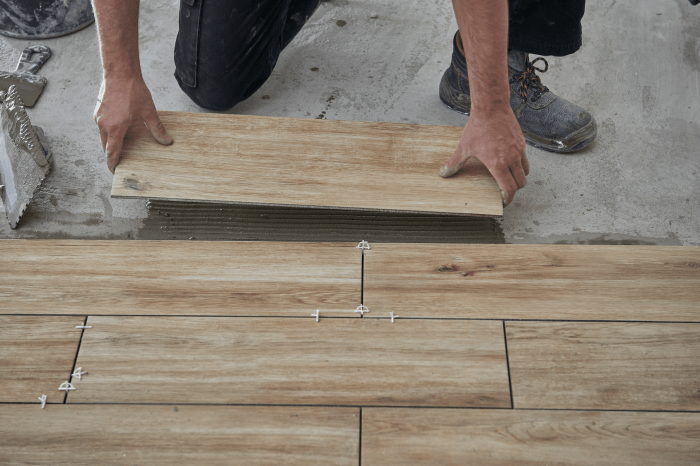
Installing new flooring can be a great DIY project to refresh the look of your home. The installation process varies depending on the type of flooring you choose, but there are some general steps that apply to most installations.
When embarking on a DIY flooring installation project, you will need a few essential tools and materials to get the job done efficiently. Here are some common items you may need:
It's important to have all the necessary tools and materials ready before starting the installation to avoid any delays or interruptions.
Before laying down new flooring, it is crucial to ensure that the subfloor is properly prepared. Subfloor preparation involves removing the existing flooring, cleaning the subfloor thoroughly, repairing any damages or uneven areas, and ensuring that the surface is smooth and dry.Proper subfloor preparation is essential for ensuring that the new flooring sits evenly and securely, preventing any issues such as squeaking or shifting later on.
Taking the time to prepare the subfloor adequately can make a significant difference in the overall quality and longevity of your new flooring.
When it comes to modern home remodels, staying up to date with the latest flooring trends and designs can help you create a stylish and functional space. From patterns to colors to textures, there are many options to consider when choosing the right flooring for your home.
When it comes to mixing and matching different flooring styles, the key is to create a cohesive look that flows seamlessly from one room to another. Here are some tips to help you achieve a harmonious design:
As we conclude this exploration of flooring options for your home remodel, remember that the foundation you walk on sets the tone for your living space. With the right flooring choice, you can elevate your home's appeal and create a stylish sanctuary that reflects your unique taste.
Hardwood flooring is a popular choice for high-traffic areas due to its durability and timeless appeal.
It is not recommended to install laminate flooring in bathrooms due to potential water damage.
Hardwood floors typically need refinishing every 3-5 years, depending on wear and tear.

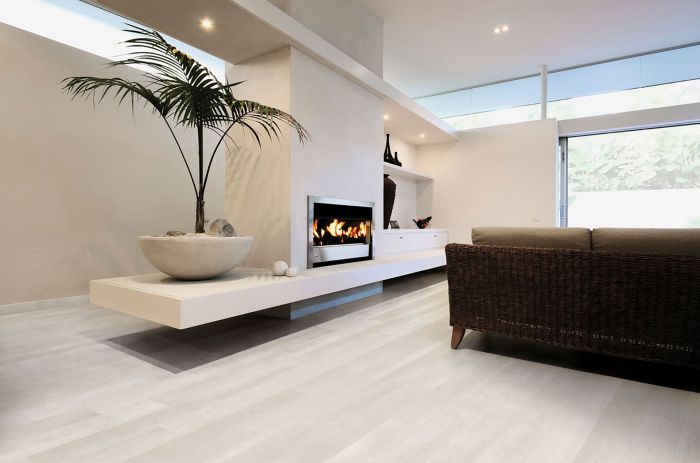 When it comes to modern home remodels, staying up to date with the latest flooring trends and designs can help you create a stylish and functional space. From patterns to colors to textures, there are many options to consider when choosing the right flooring for your home.
 As we conclude this exploration of flooring options for your home remodel, remember that the foundation you walk on sets the tone for your living space. With the right flooring choice, you can elevate your home's appeal and create a stylish sanctuary that reflects your unique taste.